




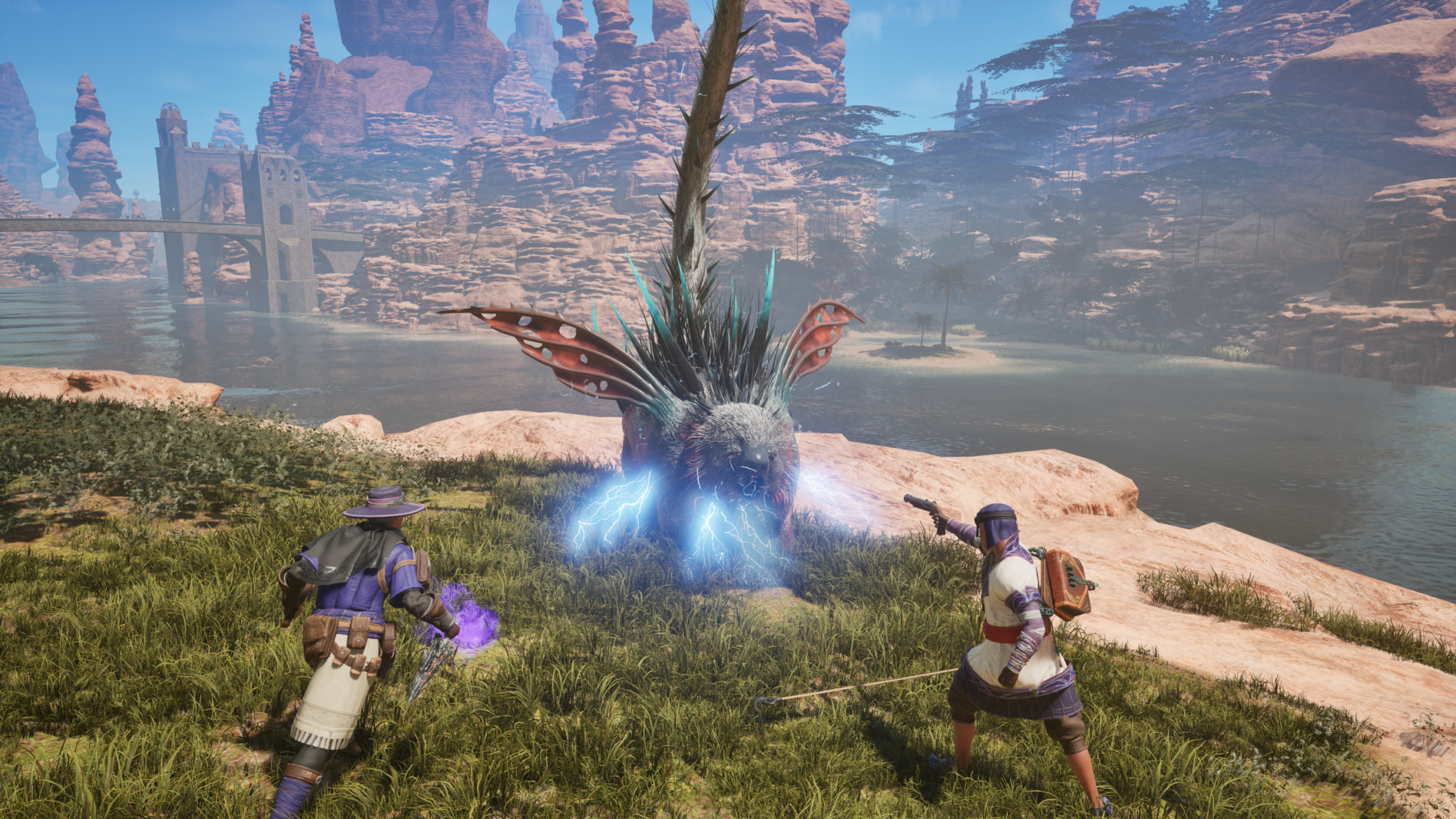
Outward 2 isn’t interested in making players feel like legendary heroes. Instead, it throws them into a harsh fantasy world where survival comes before glory. Every expedition requires careful preparation, every injury has lasting consequences, and simply making it home alive can feel like a greater accomplishment than defeating a powerful enemy. After spending many hours exploring its world before launch, it’s already clear that this sequel embraces challenge in a way few modern RPGs attempt.
The game refuses to rely on traditional power fantasies. There is no chosen hero destined to save the world, and mistakes are punished severely. A single injury can completely change the course of an adventure, while escaping a dangerous dungeon is only half the battle. Without fast travel, every successful expedition must end with the long and often dangerous journey back to civilization, carrying whatever treasure can still fit inside an already overloaded backpack.
That grounded approach creates an unusual sense of tension throughout every adventure. Exploration becomes far more meaningful because preparation matters just as much as combat. Choosing the right supplies, crafting medicine, and deciding what equipment to bring can ultimately determine whether an expedition ends in victory or disaster. Every success feels genuinely earned because survival is never guaranteed.
One unforgettable encounter perfectly demonstrated how unforgiving the game can be. Deep inside an underground labyrinth, a terrifying hive-like creature guarded the final chamber. Despite entering the battle fully prepared with bandages, healing potions, and carefully gathered supplies, the fight quickly spiraled out of control. Heavy wounds drained away every last bit of health until darkness finally took over.
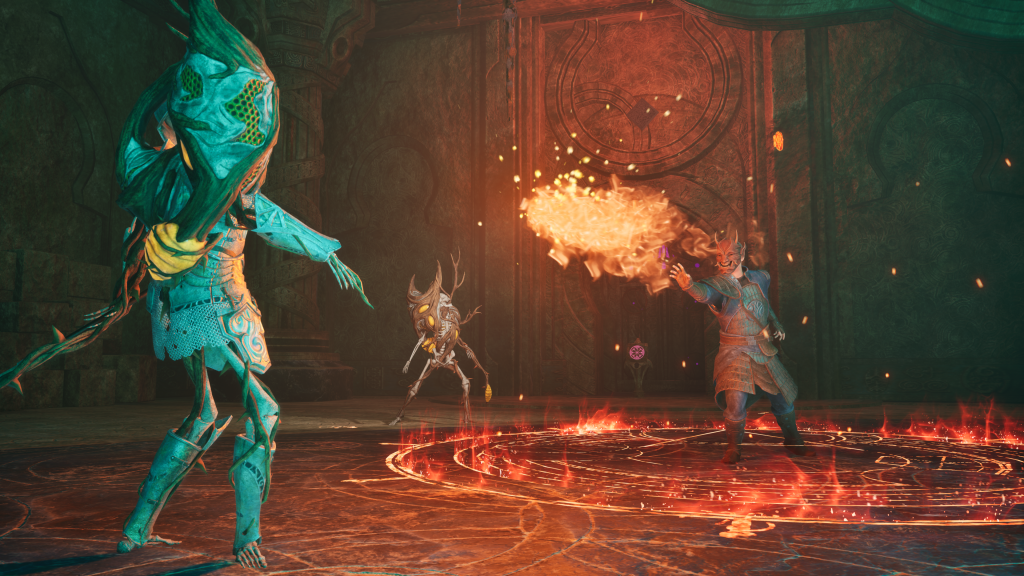
Death, however, doesn’t always mean starting over. Instead of losing everything, an unexpected rescue changed the outcome. A nearby worker discovered the fallen adventurer, dragged both the unconscious body and all valuable belongings away from immediate danger, and left everything in a relatively safe location. This unique defeat system transforms failure into another chapter of the adventure rather than simply forcing a reload.
The rescue came with its own consequences. During the escape, a wrist injury was sustained, creating an entirely new problem. Thankfully, a splint had already been crafted before the expedition began, but applying it didn’t instantly erase the injury. Instead, it merely stabilized the condition, while the actual healing process unfolded slowly over several in-game days.
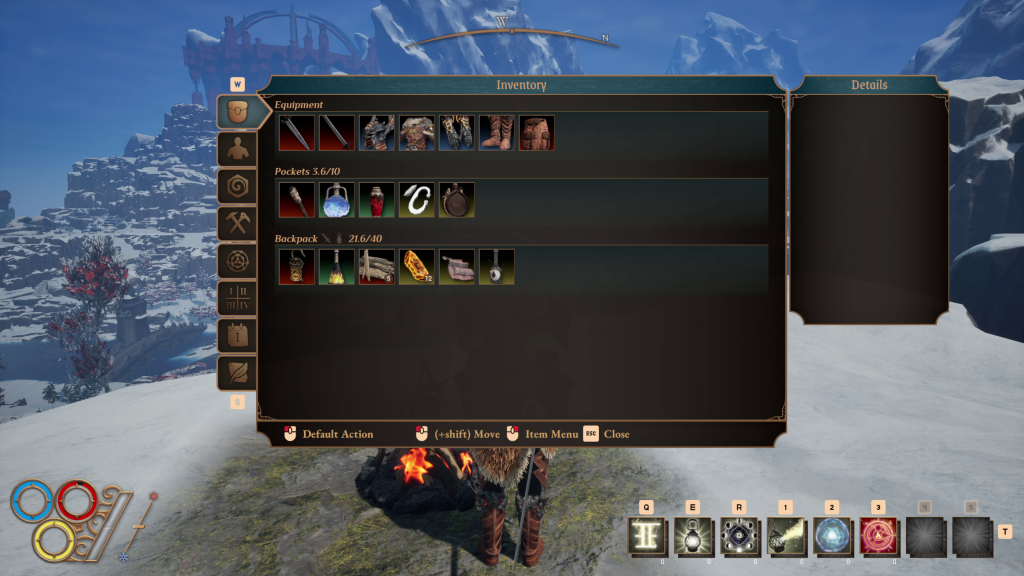
Living with that injury dramatically changed the gameplay. Without being able to properly use one arm, carrying a shield was no longer possible, forcing it into an already heavy backpack. Holding a lantern through dark passages became equally impossible, limiting visibility while traveling. Every extra kilogram suddenly mattered, forcing difficult decisions about which valuable items to abandon in order to survive the trip back to safety.
The return journey became a tense exercise in caution. Rather than fighting every threat, avoiding unnecessary encounters became the smarter choice. Slowly sneaking past enemies and finally reaching the protection of city walls delivered an overwhelming sense of relief. Selling the recovered loot provided enough money to rent a room, recover from the injury, replenish supplies, and prepare for another attempt.
Eventually, the opportunity for revenge arrived. Returning to defeat the monstrous guardian proved far more satisfying because of everything required just to earn another chance. The victory rewarded the effort with valuable equipment, including a powerful weapon that remained useful long afterward. Additional profits from rare materials also allowed for stronger armor and the creation of an upgraded bow, making future expeditions slightly less punishing.
As exploration expanded beyond the starting region, the world continued rewarding persistence with new discoveries. Every distant location introduced fresh dangers, hidden treasures, and difficult decisions. Progress always felt hard-earned, making every successful journey far more memorable than in many traditional open-world RPGs.
Even in its current state, the game still shows signs of being unfinished. Various visual glitches and awkward animations occasionally appear, but most are amusing rather than disruptive. These rough edges are expected during development and don’t overshadow the strength of the core gameplay experience.
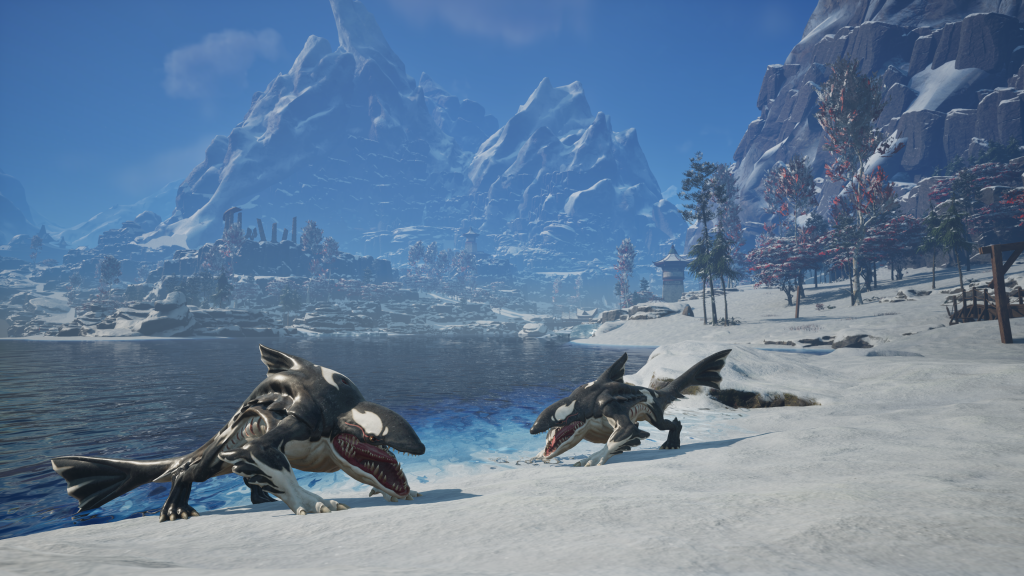
One area that could benefit from improvement is controller support, particularly when navigating menus. Since inventory management, crafting, and resource gathering play such an important role throughout the adventure, smoother menu controls would significantly improve the overall experience for players using a gamepad.
Although technical polish is still needed before release, the foundation of Outward 2 is already impressive. Its commitment to meaningful survival, realistic consequences, and rewarding exploration creates an RPG where every victory carries real weight. Rather than making the journey easier, the game succeeds by making every challenge worth overcoming.