




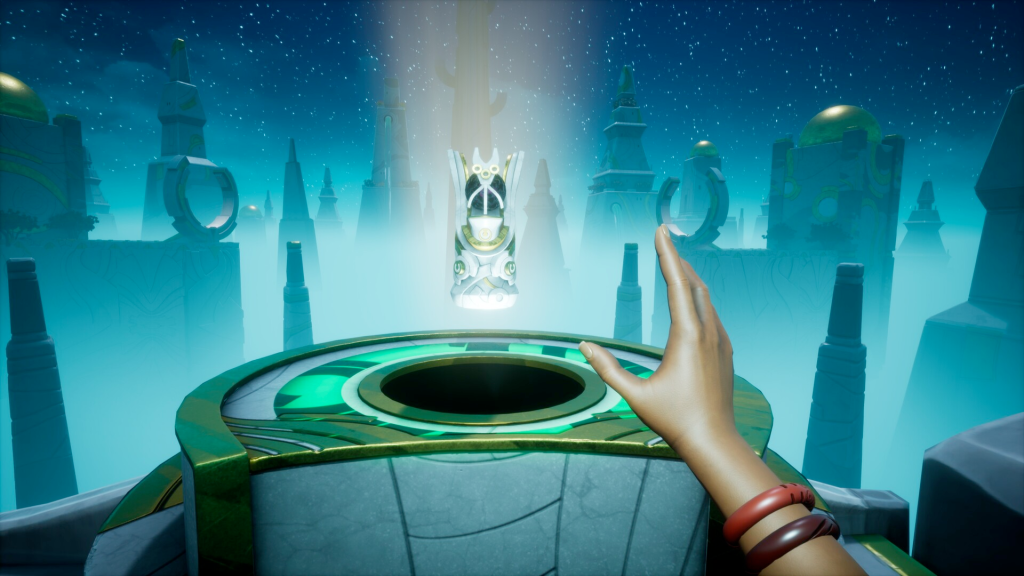
Call of the Elder Gods builds upon the foundation of its predecessor while delivering a larger, more refined puzzle adventure that confidently stands on its own. Blending supernatural mystery with classic puzzle-solving, the game offers an engaging journey where exploration, observation, and logical thinking are constantly rewarded. After spending several hours with it, it’s clear that this sequel raises the standard in nearly every aspect.
The story follows two researchers drawn into a mysterious investigation involving ancient forces beyond human understanding. As they uncover hidden truths, they are pulled deeper into a dangerous conspiracy where every answer leads to new questions. Each chapter introduces a fresh location filled with environmental storytelling, challenging puzzles, and pieces of lore that gradually reveal the larger mystery.
The narrative feels stronger and more ambitious than before. Fully voiced dialogue helps bring the characters to life, while frequent plot twists, unexpected discoveries, and moments of suspense maintain a steady sense of momentum. Every new chapter expands the mystery, introducing additional supernatural elements and revealing new layers behind the events unfolding throughout the adventure.
Although the writing occasionally leans into familiar genre clichés and some character decisions can feel questionable, the overall story remains consistently entertaining. Whenever the pacing begins to slow, another surprising revelation or intriguing mystery quickly restores the sense of curiosity and encourages players to continue exploring.
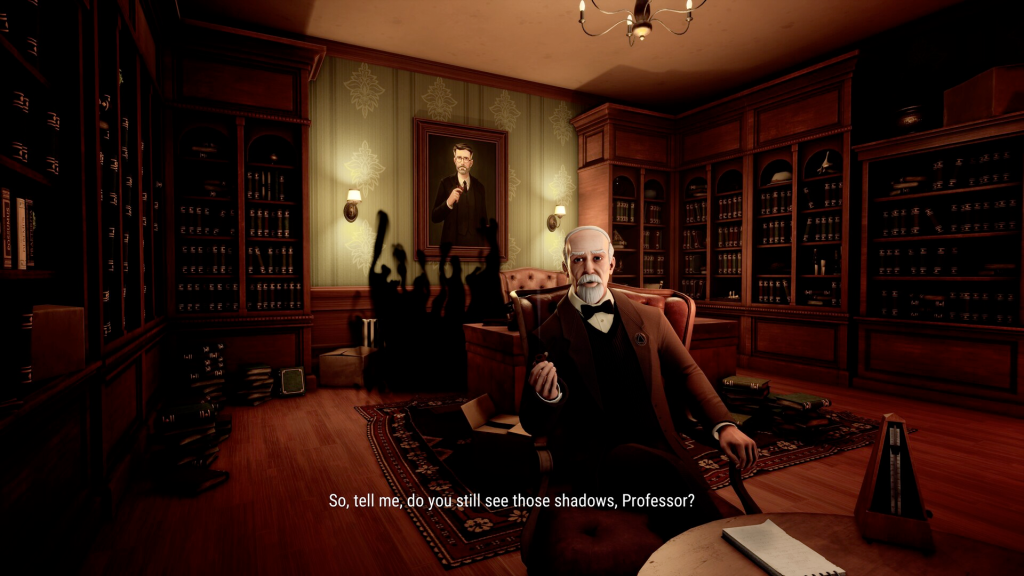
One welcome addition is the ability to control two different protagonists. Throughout the adventure, players regularly switch between them while solving puzzles in separate locations. Although this mechanic doesn’t dramatically alter gameplay, it creates variety, offers different perspectives on unfolding events, and helps maintain tension as both characters investigate interconnected mysteries.
The true highlight of Call of the Elder Gods, however, is its outstanding puzzle design. Every challenge feels carefully constructed to encourage observation, experimentation, and logical deduction without becoming unnecessarily frustrating. Creating memorable puzzles is notoriously difficult, yet the game consistently finds the right balance between accessibility and satisfying complexity.
Rather than overwhelming players with enormous interconnected environments, each chapter is structured almost like its own self-contained escape room. Every location introduces a unique setting, complete with its own collection of mechanics, clues, and objectives. This design makes it easy to mentally organize each area and prevents confusion between unrelated puzzles, allowing players to focus on solving the challenges directly in front of them.
A returning notebook system further enhances the experience. As important clues and observations are discovered, they are automatically recorded for future reference. Instead of forcing players to remember every small detail or take handwritten notes, the notebook keeps essential information organized, allowing attention to remain focused on solving puzzles rather than searching for forgotten clues.
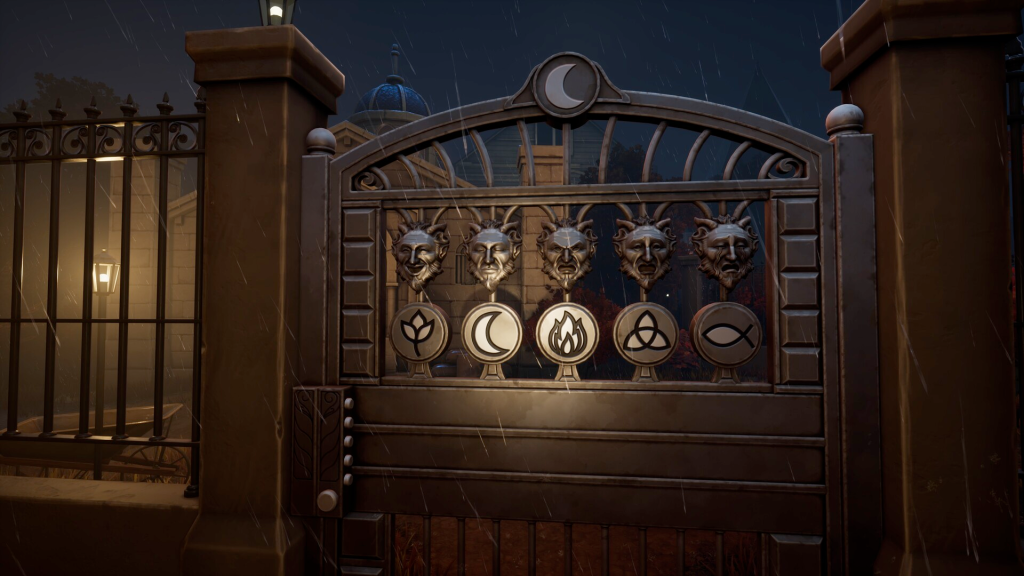
Puzzle variety is another area where the sequel excels. Each chapter introduces new concepts and mechanics that keep the gameplay fresh from beginning to end. Players will encounter rotating mechanisms, resource management challenges, encrypted codes, pattern recognition tasks, fill-in-the-blank logic puzzles, and numerous other brain teasers that rarely repeat themselves in predictable ways.
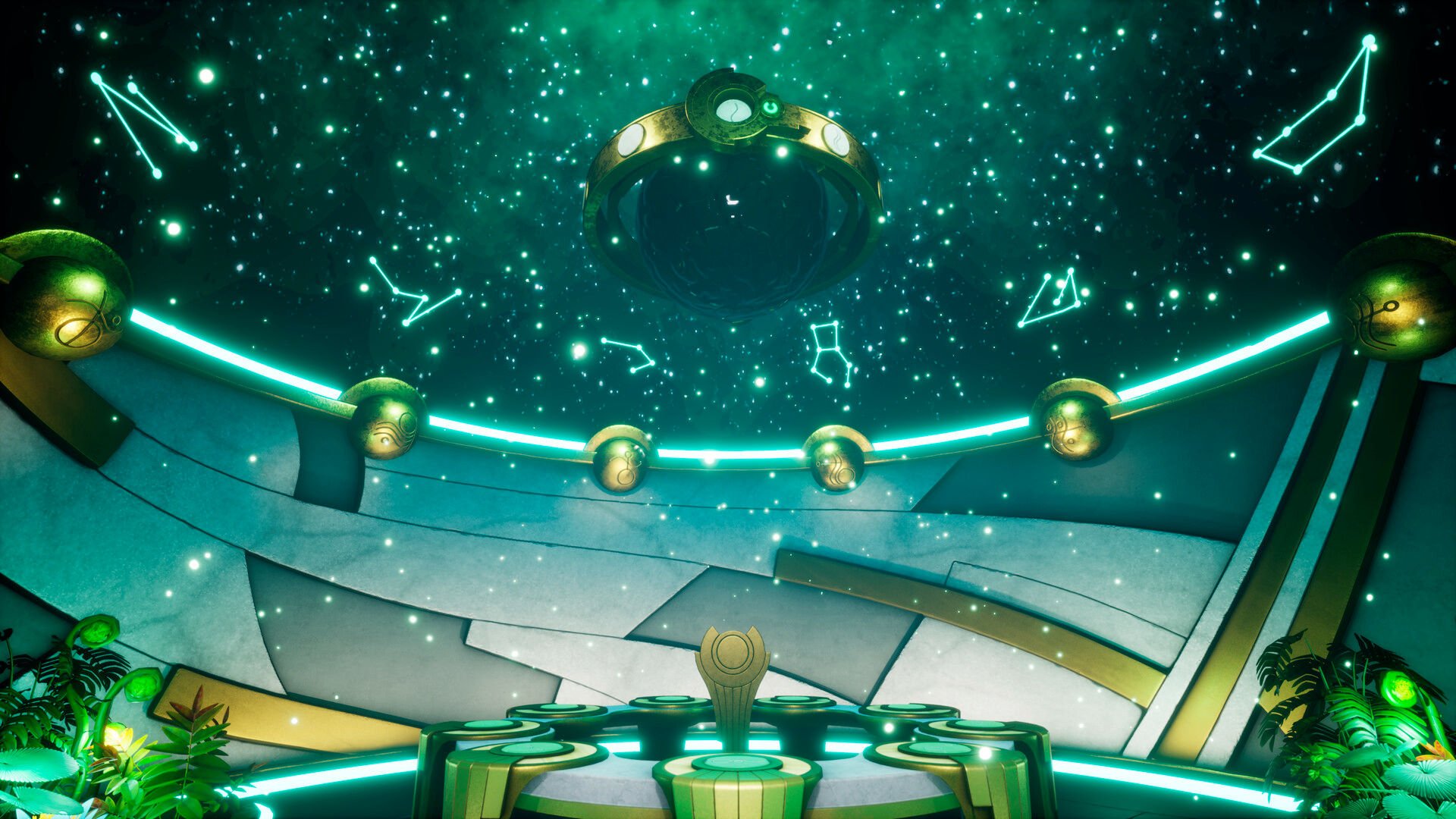
The impressive diversity of these puzzles is matched by excellent pacing. New mechanics are introduced gradually, giving players enough time to understand each concept before moving on to something different. Even without relying on hint systems, most solutions feel logical because the surrounding environments provide enough information to guide careful observation and experimentation.
Every puzzle room feels meaningful thanks to its connection with the surrounding environment and story. Rather than existing as isolated brain teasers, the challenges naturally fit their locations and reinforce the overall atmosphere, making exploration feel both rewarding and immersive.
While some modern puzzle games focus on massive interconnected worlds filled with long-term mysteries, Call of the Elder Gods succeeds by taking a different approach. Instead of building overwhelming layers of complexity, it delivers a steady stream of creative, self-contained puzzles that remain consistently enjoyable throughout the adventure.
For anyone who appreciates thoughtful puzzle design, engaging mysteries, and atmospheric storytelling, Call of the Elder Gods is shaping up to be an excellent experience. Its refined mechanics, imaginative challenges, and compelling narrative combine to create a puzzle adventure that not only improves upon its predecessor but also establishes itself as one of the genre’s strongest upcoming releases.