




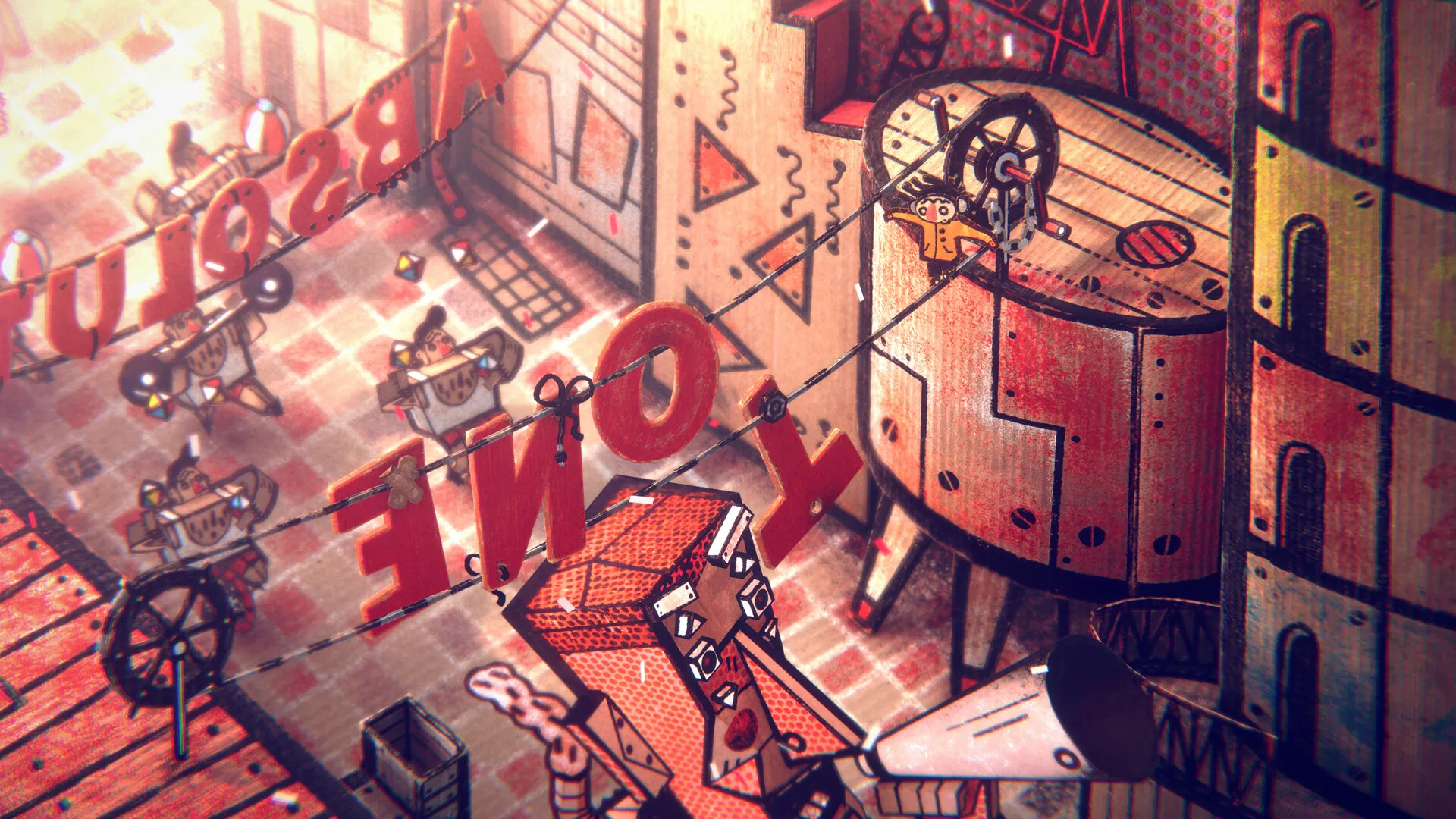
Phonopolis delivers a fascinating blend of artistic creativity, social commentary, and unconventional puzzle design. After spending several hours exploring its strange and carefully crafted world, it is clear that the game has a strong identity. Its visual style remains impressive throughout, and its setting offers a clever reflection of modern social issues through a surreal authoritarian environment. While some of the later puzzles create moments of frustration, the overall experience remains memorable and worth experiencing.
The story takes place in a controlled society where every aspect of daily life is dictated by constant announcements and strict instructions. Instead of following a fearless revolutionary or a brilliant strategist, the player takes control of an ordinary and somewhat clueless individual who has accepted the system without question. His unexpected journey begins not because of a grand desire for change, but because he simply wants a small break from his responsibilities.
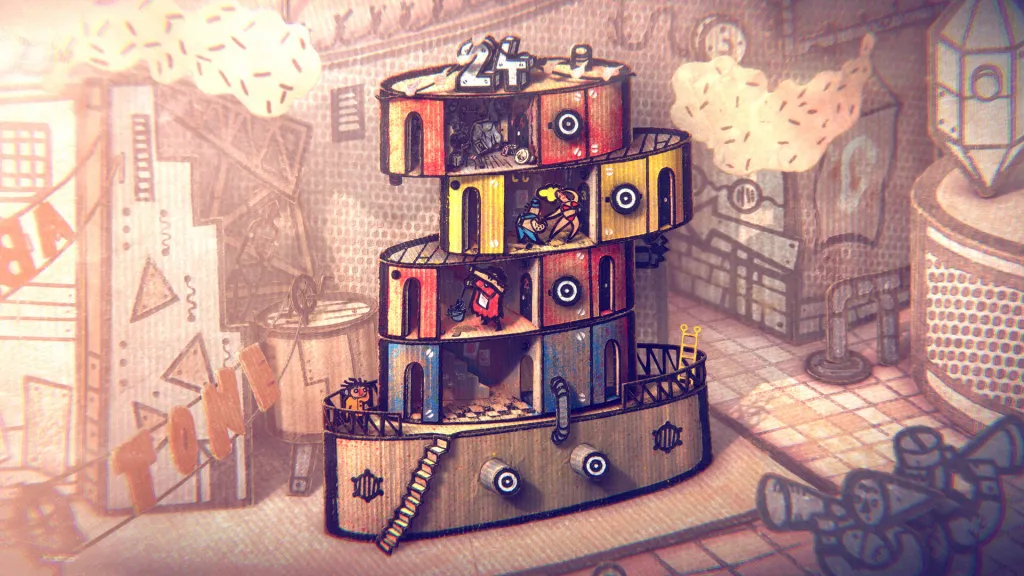
That simple motivation becomes the foundation of the entire story. By chance, the protagonist discovers a pair of noise-blocking headphones that allow him to escape the endless broadcasts controlling the population. For the first time, he experiences true silence and freedom from the constant commands surrounding him. Rather than immediately planning a rebellion or attempting to overthrow the system, he uses that freedom for something much more ordinary: taking time away from work.
This small act of independence is enough to transform him into a threat. The game cleverly uses this contrast between a completely ordinary desire and an oppressive society that cannot tolerate personal choice. The idea that simply choosing not to obey can become an act of rebellion creates one of the strongest themes throughout the adventure.
The world itself strengthens this message through its unique presentation. The minimalist environments, unusual designs, and carefully constructed atmosphere create a setting that feels both charming and unsettling. The humor works especially well because the powerful figures maintaining control are often just as flawed and ridiculous as the accidental rebel challenging them.

The biggest weakness comes from the puzzle design. Many challenges are creative and rewarding, offering clever solutions that feel satisfying once discovered. Some moments stand out because they encourage experimentation and make great use of the game’s central ideas, including manipulating the powerful communication systems that dominate the world.
However, several puzzles rely on extremely specific solutions that can feel unintuitive. At times, it becomes frustrating to realize that an alternative solution seems completely reasonable but is not accepted by the game. Spending a long time investigating a problem only to discover that the intended answer requires one very particular interaction can interrupt the otherwise enjoyable flow.
Despite these occasional frustrations, Phonopolis remains an intriguing experience because of its atmosphere, visual style, and unusual storytelling. Its strange world, clever humor, and unexpected protagonist create an adventure that feels unlike many other puzzle games.
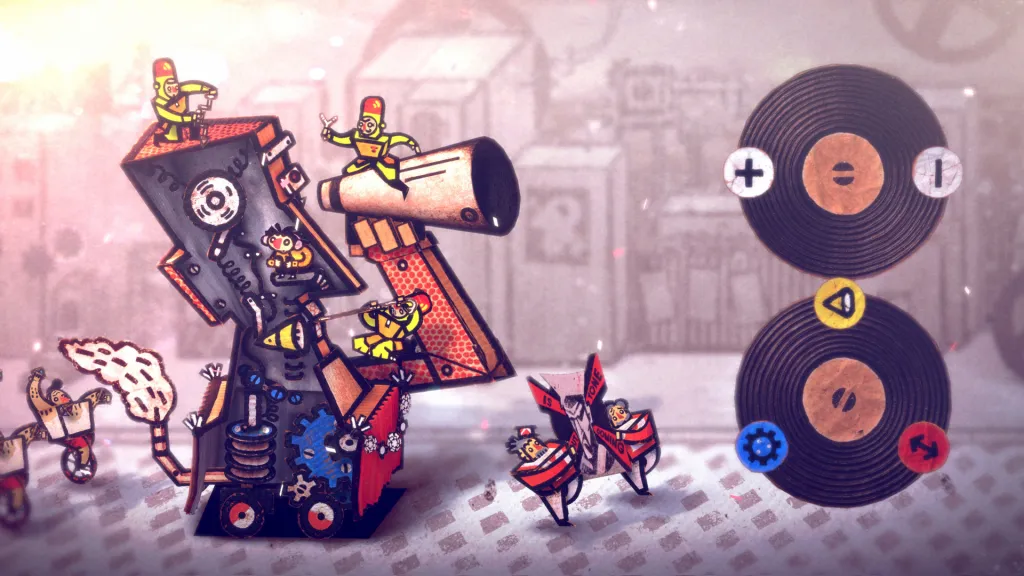
The journey may not always be smooth, but the desire to see the story through remains strong. Watching this unlikely hero challenge a rigid and emotionless system creates enough curiosity to keep moving forward and discover how the conflict ultimately unfolds.