




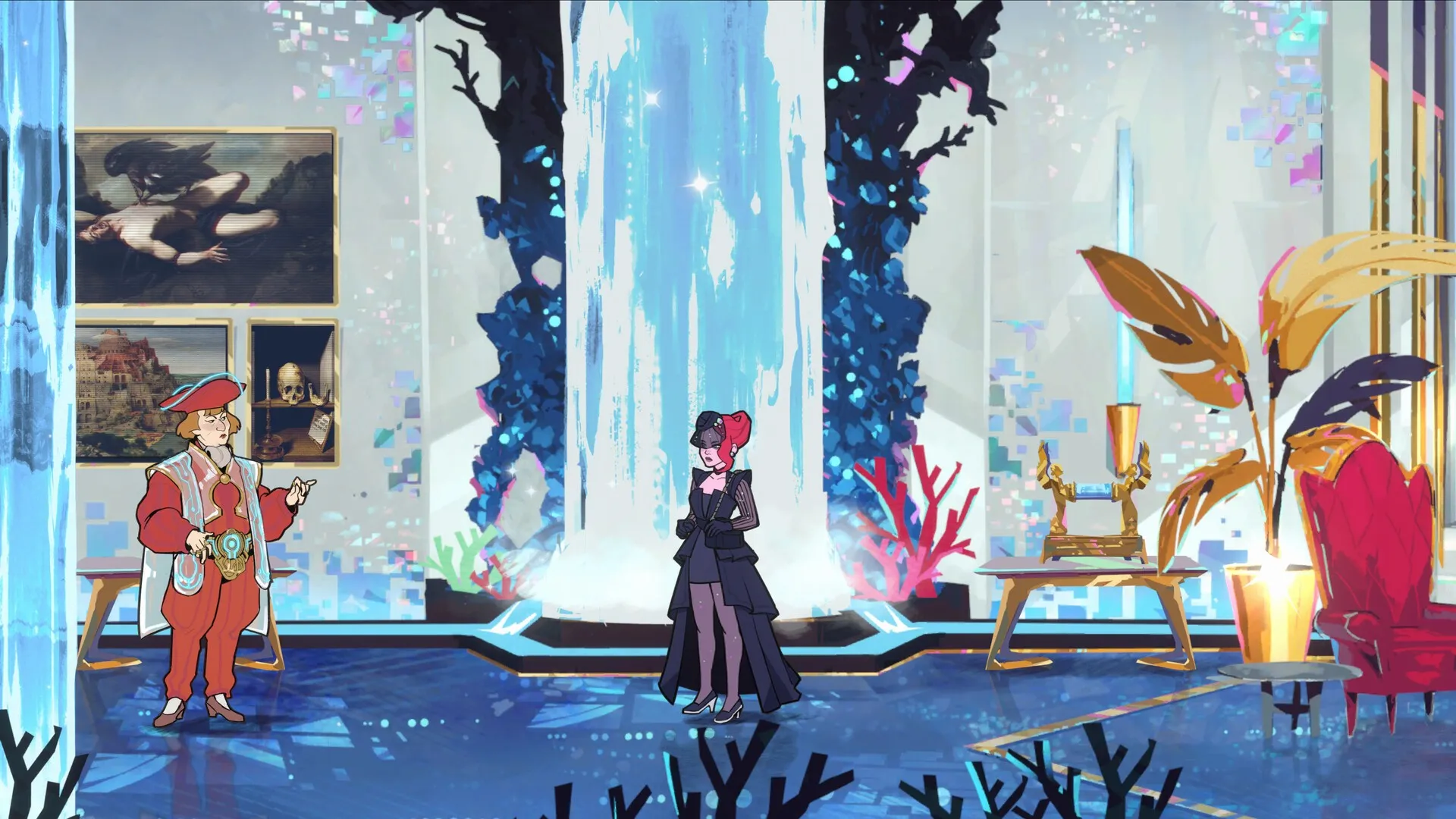
Better Than Us is shaping up to be a narrative-driven experience that uses dark humor, social commentary, and psychological tension to explore one of the most recognizable issues of the modern world: extreme wealth inequality. Instead of focusing on traditional action or adventure mechanics, the game places players in the role of a thief who infiltrates the lives of the ultra-rich and attempts to reclaim resources taken from society.
The idea behind the game comes from examining patterns throughout history and comparing them with the challenges facing the present day. The concept grew from curiosity about how wealth has influenced power structures across different eras and how individuals with enormous financial influence have often gained control far beyond simple material possessions.
Historical research became a major foundation for the project. The development process involved studying past examples of concentrated wealth, traveling to important locations, and exploring how certain figures from history are remembered differently depending on cultural perspective. These discoveries helped shape the world of Better Than Us and influenced how the game approaches themes of authority, privilege, and social responsibility.
Research-driven development has become an important part of the creative process behind the game. Instead of relying only on imagination, the team works alongside specialists and explores real-world information to create a setting that feels believable. This approach helps transform complex subjects into interactive experiences while allowing players to engage with ideas they may not normally encounter.
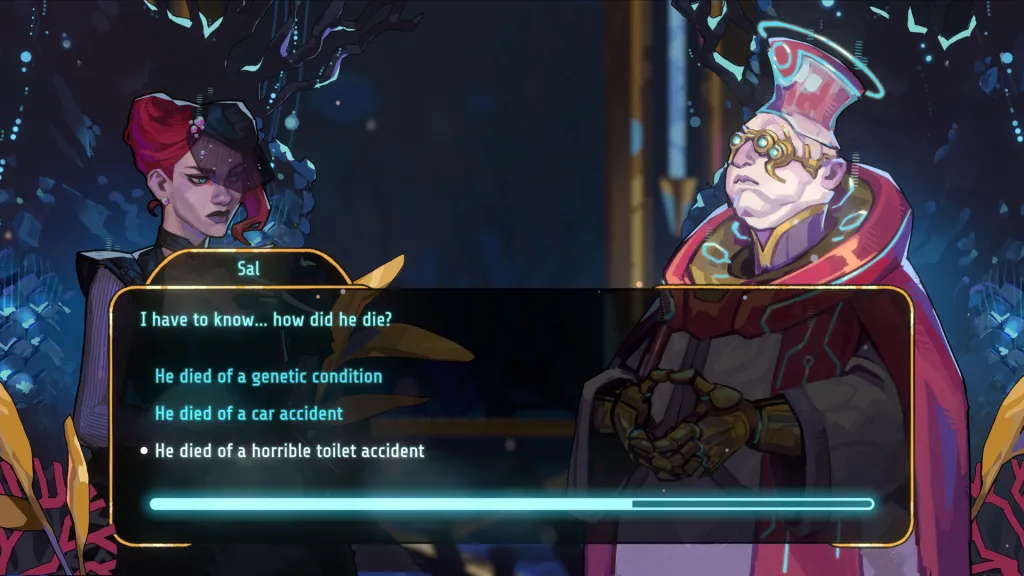
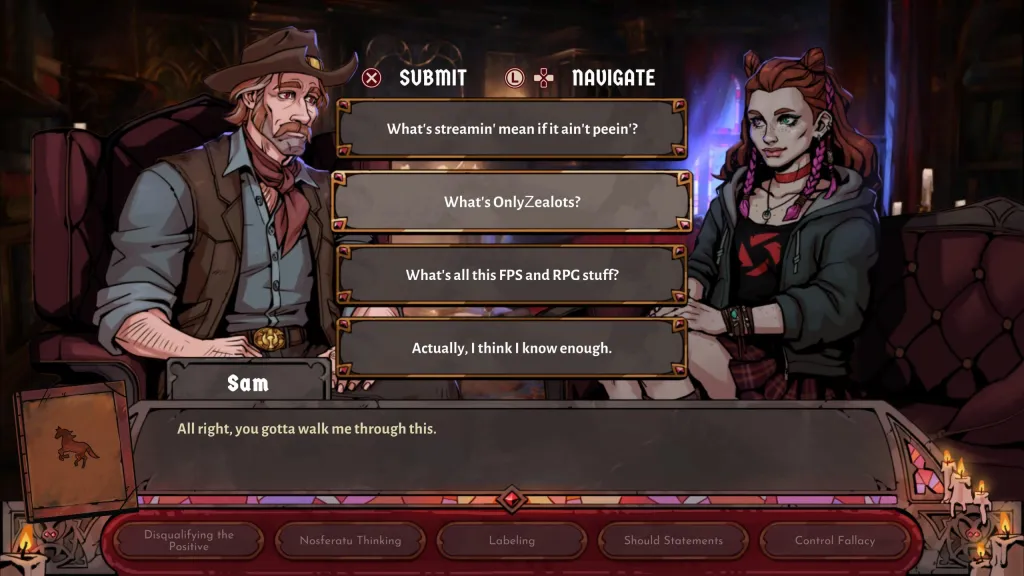
One of the most interesting aspects of Better Than Us is its approach to stealth. Rather than hiding in shadows or avoiding physical detection, the game focuses on social stealth. Players must carefully navigate conversations, remember previous statements, and maintain convincing stories while interacting with powerful characters who are constantly evaluating them.
This system creates tension through time-based decisions. Conversations are not simply about choosing the correct dialogue option; players must react quickly and remember what they have already said. Different characters have different levels of patience, meaning some interactions require careful planning while others demand immediate responses. The pressure is intentional, recreating the feeling of having to think several steps ahead during a high-risk social encounter.
Writing a game centered around deception creates its own challenges. Instead of creating massive branching storylines, the focus is placed on consistency and memory. Players are not expected to maintain hundreds of completely different narratives, but rather to manage smaller details and understand which pieces of information are important. The tension comes from wondering what details will matter and when they might be questioned.
The experience of working in voice performance also influenced the approach to game design. A major lesson from previous projects was the importance of acknowledging player choices. Rather than requiring enormous branching narratives, the game focuses on recognizing player behavior and reflecting it back through the world. Small reactions to player actions can create a stronger feeling of involvement without requiring multiple completely separate stories.
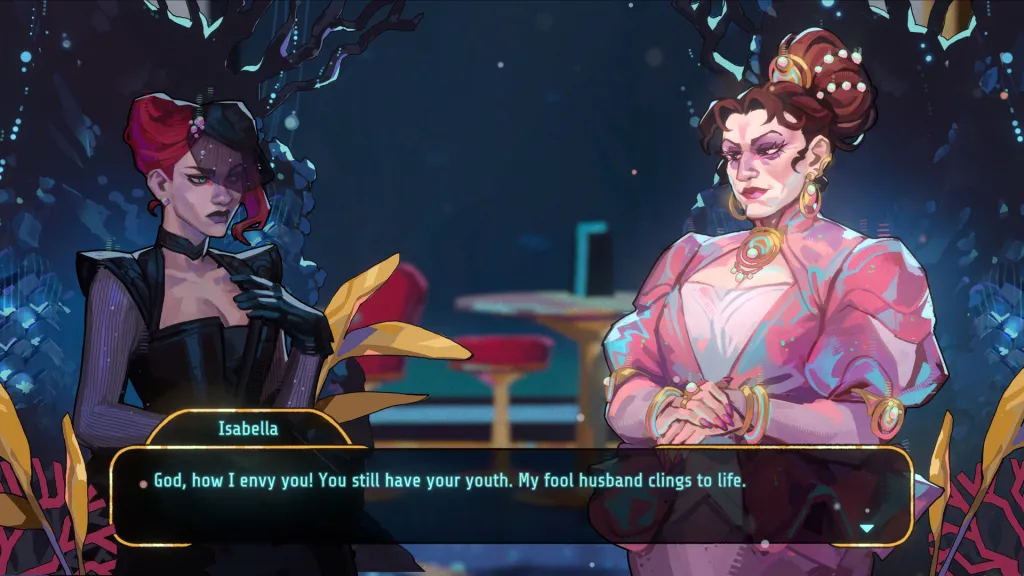
Better Than Us also embraces dark comedy as a way to approach difficult subjects. Humor acts as a way to make serious conversations easier to engage with without removing their importance. By balancing uncomfortable topics with moments of absurdity and sarcasm, the game aims to give players space to process complex ideas while keeping the experience entertaining.
The challenge is maintaining that balance. The goal is not to turn serious issues into simple jokes, but to use comedy as a tool that allows players to approach difficult themes from another angle. The contrast between humor and serious reflection helps create moments that are both memorable and meaningful.
The game represents a broader belief that interactive experiences can explore social and cultural issues in ways other forms of media cannot. Because players actively participate rather than simply observe, games have the ability to challenge perspectives and create stronger emotional connections with their audiences.
In a market filled with experiences designed to minimize difficulty and friction, Better Than Us takes the opposite approach. It intentionally asks players to think, remember, and engage with uncomfortable ideas. The goal is to create an experience that stays with players because it requires active participation rather than passive consumption.
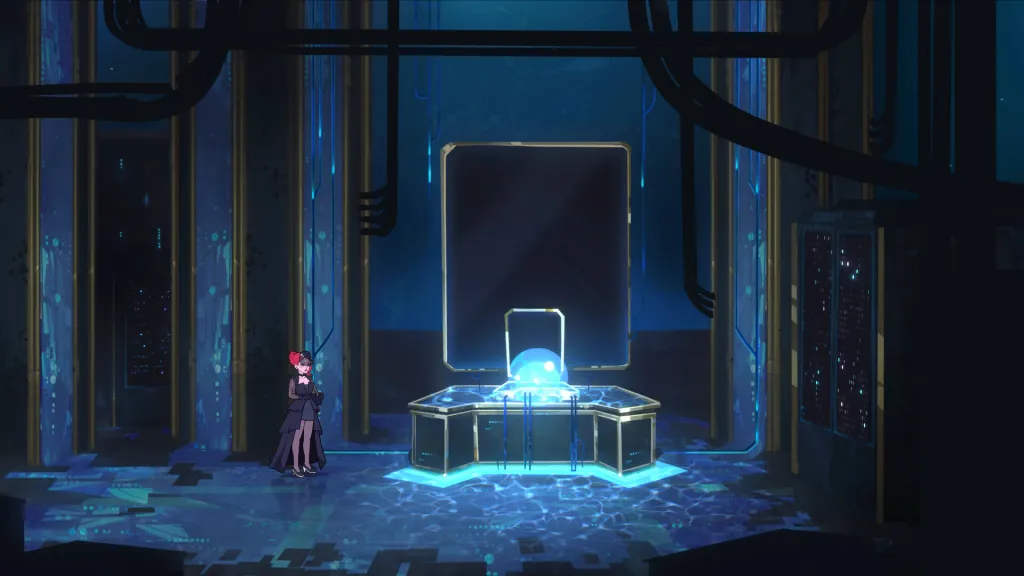
Although the game may initially appear similar to a traditional visual novel, it aims to offer a much more interactive world. Future versions will expand beyond static conversations by introducing more physical spaces, character movement, and systems that better represent the feeling of being inside these social environments.
Alongside Better Than Us, additional content connected to previous work is also being developed, focusing on improving existing systems and creating new stories within the same universe. The goal is to build a sustainable approach to storytelling that allows more unusual themes and overlooked subjects to be explored through games.
With its combination of historical research, social commentary, humor, and unconventional gameplay systems, Better Than Us aims to deliver something different from typical narrative adventures. It is designed not only to entertain but also to encourage players to question how wealth, power, and influence shape the world around them.